Data Vault Explained
Hubs, links, satellites and the rest of the Data Vault toolkit, one element per article. Then the advantages that follow from it: parallel loading, simpler changes, simpler deployment. Written for the engineer who builds the warehouse.
Data Vault splits a data warehouse into three kinds of tables: hubs for business keys, links for relationships, and satellites for history. Everything else in the method, from hash keys to point-in-time tables, exists to make those three load fast, stay auditable and change without rework.
If you know classical data modeling, there is nothing to fear here. A Data Vault starts from the same conceptual model: the business concepts and how they relate. Each concept becomes a hub, its attributes become satellites, and its relationships become links. Every article in this series maps its element back to that classical model.
This series takes one element at a time, explains what it is for and where teams get it wrong, and then turns to the advantages that the structure produces.
-
Building Blocks
Technical Keys vs. Business Keys in Data Vault
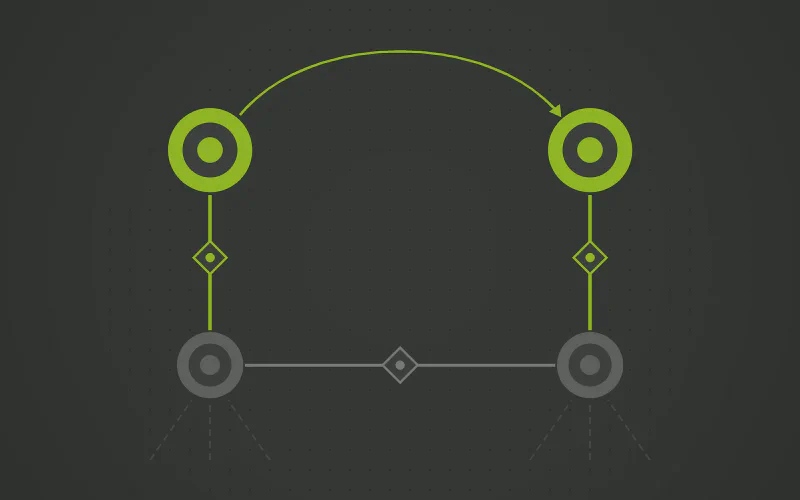
Source systems keep the business key in the master record, but every relationship runs on technical keys. Four ways to deal with that, what each one costs, and the pattern we use: a PSA hub for the technical keys, mapped to the business key hub.
Read more → -
Building Blocks
What Is a Business Key in Data Vault?
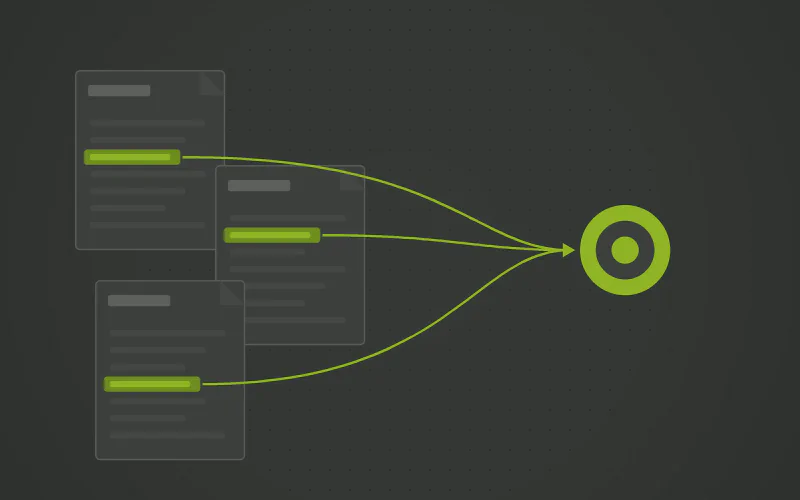
A business key is the identifier your employees and customers actually use: the customer number, the invoice number, the contract ID. It is stable, it is shared across systems, and it is what every hub in a Data Vault is built on.
Read more → -
Building Blocks
What Is a Satellite in Data Vault?
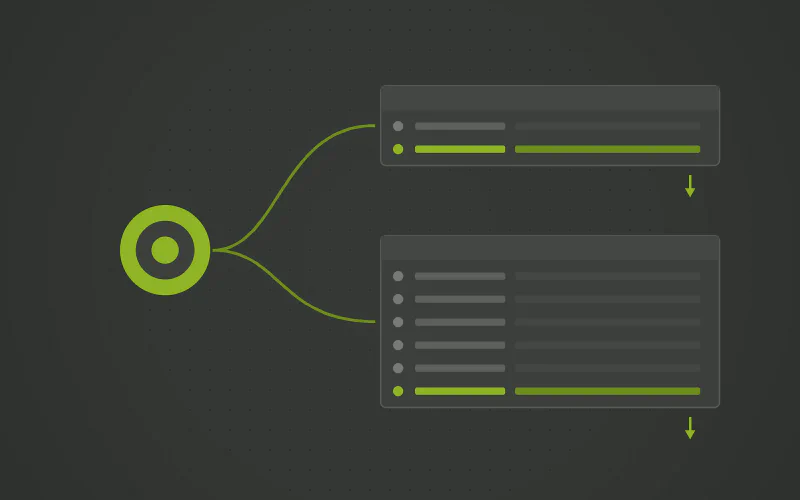
A satellite holds everything that describes a hub: names, statuses, amounts, and every change to them, appended and never updated. It is a slowly changing dimension type 2 without the UPDATE, with a full audit trail built in.
Read more → -
Building Blocks
What Is a Link in Data Vault?
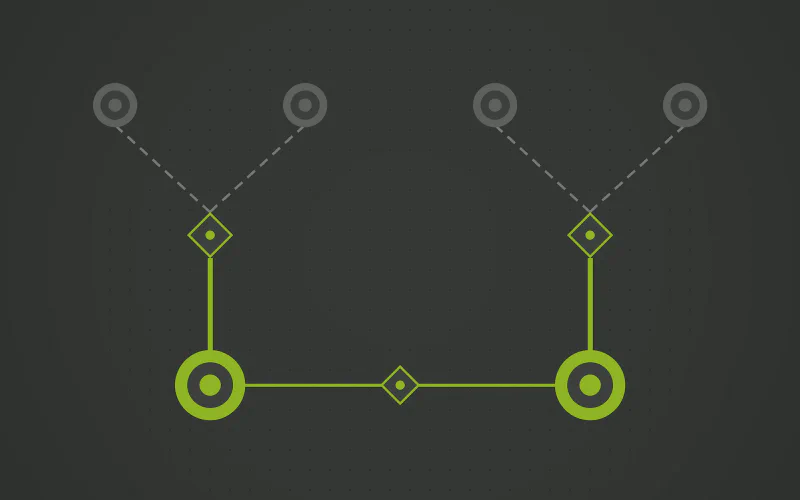
A link records that business keys belong together: this order belongs to this customer. Datavault Builder covers the classic Data Vault link, and adds a transaction link anchored on a grain hub, which fixes the grain of a transaction and lets transactions relate to each other.
Read more → -
Building Blocks
What Is a Hub in Data Vault?
A hub represents one core business concept, such as customer, product or account, as the list of its keys: every one the warehouse has ever seen, each exactly once. It stores identity, not state, and that restraint makes it the point where source system silos collapse.
Read more →
Nothing here yet.