Does Your Fivetran Bill Jump Every Time a Source Table Gets Busy?
Fivetran charges by Monthly Active Rows. A bulk update or a schema migration upstream touches every row again, and the invoice follows. The rows were never the problem. Paying per row for data you then reprocess yourself is.
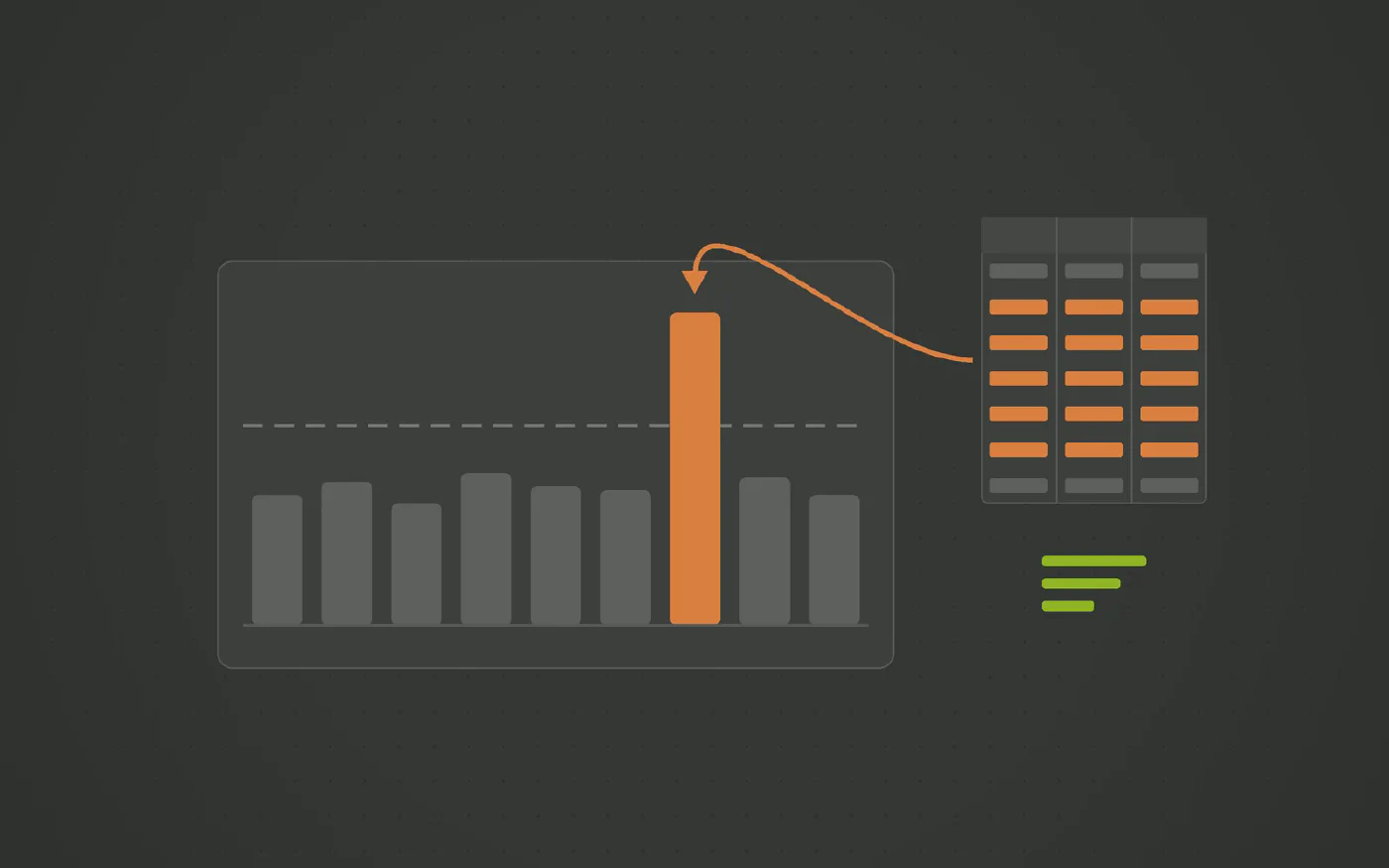
The data warehouse automation solution trusted by data teams across industries









Does this sound familiar?
- The invoice for the month of an ERP migration is a multiple of the month before, and nobody planned for it.
- A source team runs a bulk update, and your ingestion bill absorbs it.
- You have started deciding which tables to sync based on what they will cost, not on what the business needs.
- Finance asks for a forecast of ingestion cost, and the honest answer depends on what the ERP team does next quarter.
Monthly Active Rows (MAR) are a reasonable way to meter a connector. They turn into a problem when the number of rows that change is decided by somebody else. A bulk price update in the ERP, a schema migration that rewrites a column for every record, a data quality cleanup that touches half the customer table: each one counts every affected row as active again, and the bill arrives after the fact.
Why the bill is not under your control
- MAR counts rows touched, not rows that matter. A migration that changes one column on ten million records is ten million active rows, even if nothing downstream needed to change.
- The trigger sits upstream. Source system teams do not consult the ingestion budget before a bulk operation, and they should not have to.
- The same row is paid for twice. Once on the way in, and again in compute when the landing table is reprocessed in full because nothing downstream knows which rows changed.
- Forecasting is guesswork. The connector meters activity, and activity is a function of what other teams do.
Fivetran is doing exactly what it is priced to do. The question is whether per row metering is the right economics for your largest, busiest tables.
Where the cost actually belongs
- Ingestion of high volume tables is warehouse work. A model-driven platform loads them as part of generating the warehouse, on compute you already own.
- Only the delta should move downstream. An automated Data Vault architecture loads only what changed into hubs, links and satellites. A full reload in staging does not become a full reload of every layer above it.
- The long tail can stay on the connector. Managed connectors excel at low-volume SaaS sources where MAR remains small and predictable.
What changes with Datavault Builder
Datavault Builder includes its own ingestion: batch, delta and CDC loads from databases, files, REST APIs, NoSQL and Python sources, with streams such as Kafka arriving as micro batches, all from the same platform that generates the rest of the warehouse.
- The busy tables bypass per row charges. They land in staging through the platform, and the connector invoice stops tracking your ERP team’s project calendar.
- Reloads stay in staging. The generated vault loads compare against what is already historized and move only the delta, so a reload upstream is not a reload everywhere.
- Tables that keep using the connector are still decoupled. Raw landing tables and the historized layer are separate, so the choice of connector per table is yours and reversible.
- Cost is a sizing question. Warehouse compute is something you can measure, reserve and forecast. Row activity in somebody else’s system is not.
What to decide
Pull the MAR report for the last six months and sort by table. If the top five to ten tables carry most of the cost, that is the list to move to direct ingestion. Everything below the line can stay exactly as it is.
See It Running on One of Your Sources
Book a free demo and bring the connector that costs you the most, in money or in time.
Three Steps to a Pipeline You Control
-
Find the tables that spike
Usually three or four sources carry most of the MAR. Large fact tables, frequently updated ones, anything migrated.
-
Land those through the platform
Datavault Builder loads them in batch, delta or CDC directly into staging, from databases, files, APIs or streams. No per row charge on the way in.
-
Keep the rest where it is
Long tail SaaS sources can stay on the connector. The vault decouples them from the layer you actually reprocess.
How Datavault Builder Takes the Friction Out of Ingestion
-
Ingestion is built in
Batch, delta and CDC loads from databases, files, REST APIs, NoSQL and Python sources, with streams such as Kafka arriving as micro-batches. Same platform that generates the warehouse, no second invoice.
-
Your schema, not the vendor's
Source tables are mapped to a Data Vault 2.0 model you designed. A new column or a renamed table changes a mapping, not a chain of post-load scripts.
-
Only deltas move
Hubs, links and satellites load what changed. Full reloads stay in staging instead of being reprocessed downstream every night.
-
History is kept by design
Every change is retained as it arrives, so as-was reporting works even where the source overwrites its own rows.
-
Code you never hand-write
Loading, historization and lineage are generated from the model in real time and run natively on Snowflake, Databricks, BigQuery, SQL Server, Fabric, Oracle or PostgreSQL.
-
One platform, up to nine tools fewer
Modeling, ETL, CI/CD, documentation and lineage in one place. That is what makes 14.7 minutes from requirement to production possible.
Recognized by BARC in The Data Fabric Survey 26
Meet Our Expert
Twenty minutes with our Sales Director, and an honest answer on whether this fits your stack.

Matt Collett
Sales Director
Great, pick a time that works for you:
Other Problems This Series Covers
-
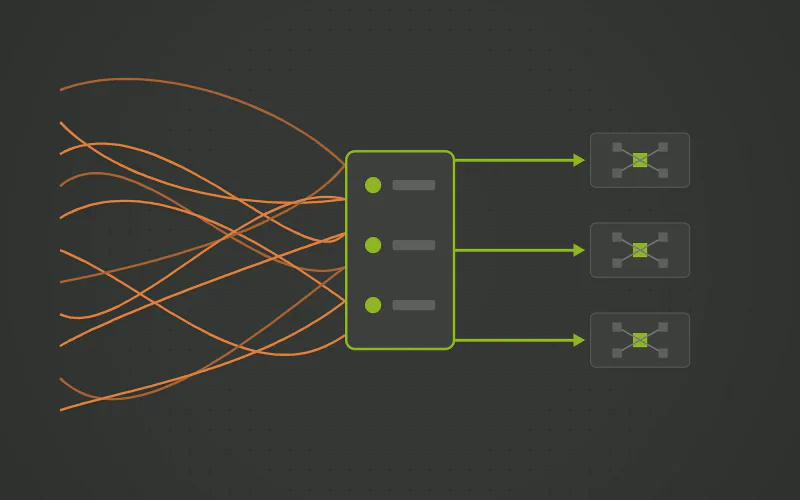
Fivetran Cost and Schema Headaches? How Automated Modeling Fixes Ingestion Friction
Plug and play ELT is fast to start and slow to control. Two things erode over time: what the pipeline costs, and who decides the shape of the data. An automated Data Vault layer gives both back without giving up the connectors that work.
-
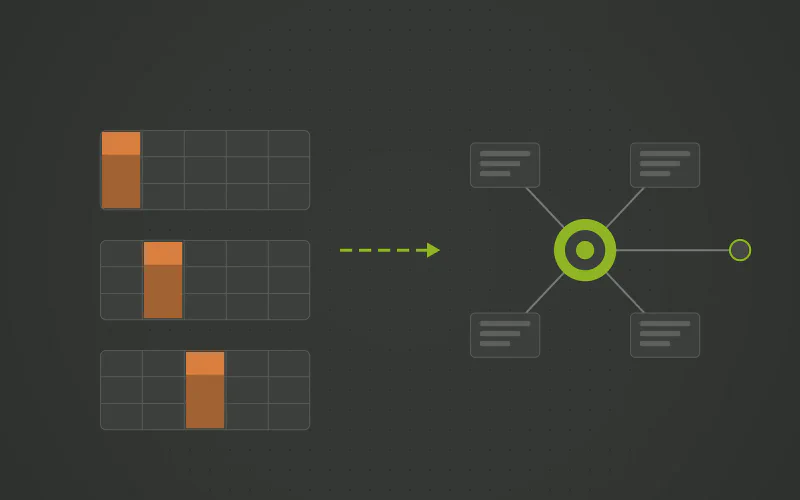
Is Your Fivetran Schema Forcing You to Rebuild the Model After Every Load?
Fivetran lands each source in its own standardized schema. Business keys, custom fields and legacy structures then have to be reshaped in SQL that breaks when the connector changes. The fix is not a better script. It is a model that owns the shape.
Questions and Answers
- Not necessarily. Many teams keep the connector for the long tail of SaaS sources and move only the expensive, high volume tables to direct ingestion. The vault sits behind both, so the downstream model does not care which route a table took.
- Batch, delta and CDC loads from databases over JDBC, from files and from REST APIs, plus NoSQL stores through the Trino connector and Python sources through a gRPC connector. Streams such as Kafka arrive as micro batches through Trino. CDC is part of the Enterprise tier.
- They cost compute on your own warehouse, which you already pay for and can size. What disappears is the per row license charge on rows that a source system rewrites, and the reprocessing of unchanged rows downstream.