Azure Data Factory Pain Points: The Hidden Cost of UI Pipelines and Spark Transformations
Azure Data Factory is a good transport layer inside Azure and a poor place to keep a data warehouse. Used as the modeling and transformation suite it brings a canvas nobody can read, releases that fail on ARM templates and Spark clusters for loads that fit in one SQL statement. And every one of those pipelines exists only in Azure.
The data warehouse automation solution trusted by data teams across industries









Azure Data Factory is the default in every Azure estate and it earns that position as a transport layer: copy activities, triggers, file movement between services. The friction begins when it is also the modeling and transformation layer, and it shows up in three places that each have their own article in this series.
Three walls, one cause
- The canvas. Hundreds of hand wired activities, copied per source, readable only by the people who drew them. See the article on visual pipelines at scale.
- The release. ARM templates, per environment parameter files, and a deployment that fails on one type mismatch. See the article on JSON deployments.
- The Spark bill. Mapping Data Flows start a managed cluster per run, for loads that are one SQL statement inside the warehouse. See the article on Mapping Data Flows cost.
All three come from the same decision: the shape of the warehouse is expressed as pipeline configuration in a cloud service, instead of as a model that generates pipelines.
The fourth wall: you cannot switch clouds
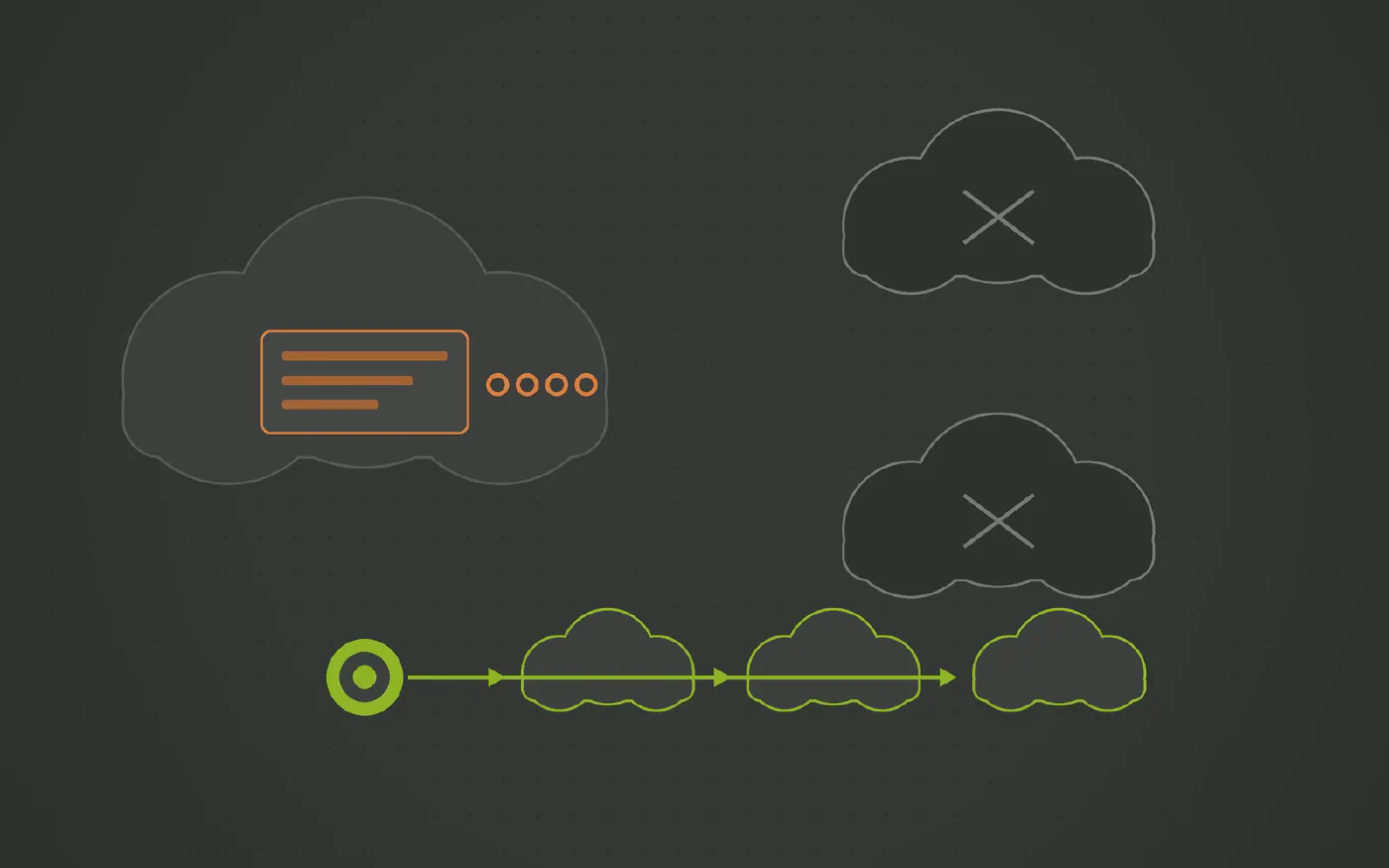
An ADF pipeline is an Azure resource. There is no version of it that runs on AWS or GCP, and Fabric Data Factory, Microsoft’s successor, is Azure in the same way. That is fine while the estate is Azure and stays Azure. It is a rewrite the day a merger, a procurement decision or a multi cloud policy says otherwise, because the transformation logic is bound to the cloud, not to the warehouse. A warehouse held in a model has no such binding: the generated SQL runs where the warehouse runs.
What changes with Datavault Builder
Datavault Builder holds the warehouse in a visual model and generates the staging, vault and delivery loads from it, together with deployment, rollback, documentation and lineage, running natively on Fabric, Synapse, Azure SQL and SQL Server.
- You model the business, the platform builds the rest. Describe the entities, keys and relationships once; the structures and every load are generated from that model. A new source is a mapping, not a chain of copied activities. The canvas shrinks to file movement and a trigger.
- Releases are generated, rollback included. Deployment scripts per environment from the model, compared before they run. No ARM template to keep in step by hand.
- Loads run in the engine. Set based delta SQL for the target platform. No cluster for standard warehouse work.
- The model is portable. Fabric today, another platform tomorrow, the same model. A change of cloud is a change of target, not a rewrite.
- ADF keeps a small job. File movement and events can still run through Data Factory, and it can trigger a Datavault Builder job. Load orchestration stays in the platform.
Where to start
Two lists. The activities in the largest pipeline that exist only to copy, look up or call a procedure per source, and the Mapping Data Flow lines from the Azure bill sorted by rows per run. The first is the canvas a model should generate. The second is the compute that belongs in the warehouse. Both are usually most of the factory.
See It Running on One of Your Sources
Book a free demo and bring the connector that costs you the most, in money or in time.
How Datavault Builder Takes the Friction Out of Ingestion
-
Ingestion is built in
Batch, delta and CDC loads from databases, files, REST APIs, NoSQL and Python sources, with streams such as Kafka arriving as micro-batches. Same platform that generates the warehouse, no second invoice.
-
Your schema, not the vendor's
Source tables are mapped to a Data Vault 2.0 model you designed. A new column or a renamed table changes a mapping, not a chain of post-load scripts.
-
Only deltas move
Hubs, links and satellites load what changed. Full reloads stay in staging instead of being reprocessed downstream every night.
-
History is kept by design
Every change is retained as it arrives, so as-was reporting works even where the source overwrites its own rows.
-
Code you never hand-write
Loading, historization and lineage are generated from the model in real time and run natively on Snowflake, Databricks, BigQuery, SQL Server, Fabric, Oracle or PostgreSQL.
-
One platform, up to nine tools fewer
Modeling, ETL, CI/CD, documentation and lineage in one place. That is what makes 14.7 minutes from requirement to production possible.
Recognized by BARC in The Data Fabric Survey 26
Meet Our Expert
Twenty minutes with our Sales Director, and an honest answer on whether this fits your stack.

Matt Collett
Sales Director
Great, pick a time that works for you:
Other Problems This Series Covers
-
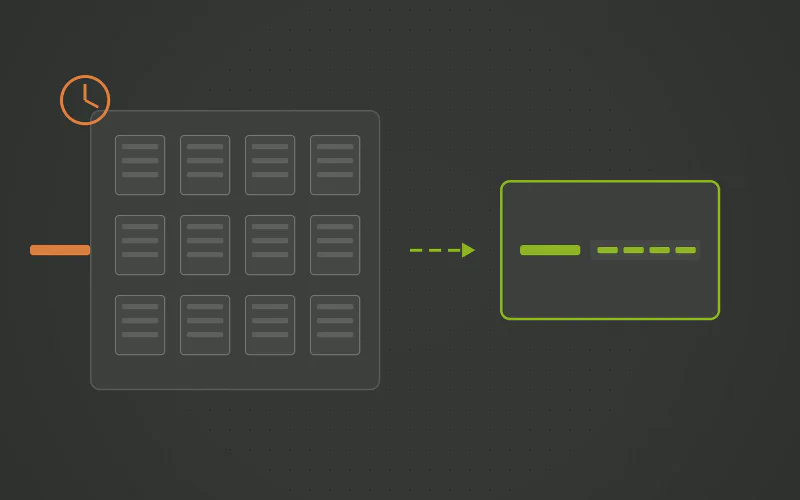
Are Azure Data Factory Mapping Data Flows Costing More Than the Data They Move?
Mapping Data Flows run on a managed Spark cluster that takes minutes to start and bills by the vCore hour. For a large nightly transformation that is reasonable. For a few hundred thousand rows it is a cluster spun up to do what one SQL statement would do inside the warehouse.
-
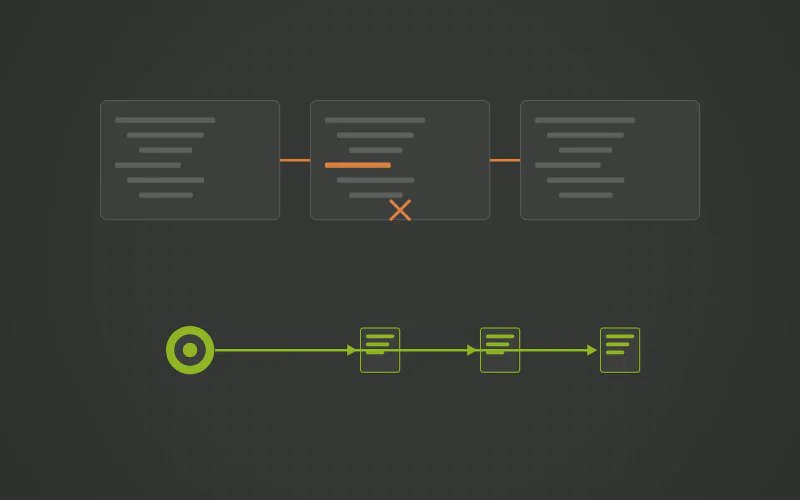
Does Every Azure Data Factory Release Turn Into an ARM Template Fight?
Under the visual editor, an Azure Data Factory is JSON: pipelines, datasets, linked services and the ARM template that deploys them. Promoting a change from Dev to Prod means parameter files, global parameters and a template that fails on one type mismatch. Releases should be generated from a model, with the rollback included.
-
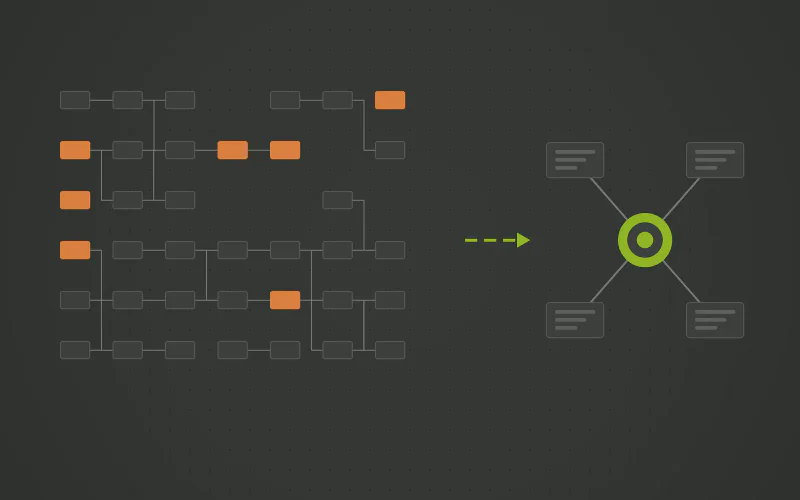
Has Your Azure Data Factory Canvas Outgrown the People Who Built It?
A drag and drop pipeline is quick to build and slow to change. Past a few dozen activities the canvas turns into the documentation, the wiring takes over the logic, and every new source is another copy activity nobody wants to touch. The fix is not a tidier canvas. It is a model that generates the pipelines.
Questions and Answers
- No. It is an argument to keep the warehouse logic in a model that runs on Fabric, Synapse, Azure SQL or SQL Server today and on Snowflake, Databricks or BigQuery if that decision is ever taken, without a rewrite.
- Fabric is Microsoft’s direction. Fabric Data Factory keeps the canvas, so the first wall carries over; it replaces the publish step and Mapping Data Flows with Git synced items and Dataflow Gen2, so the second and third take a different shape there. It is still Azure only. Datavault Builder generates natively for Fabric, so moving to it is a target change, not a rebuild of the pipelines.
- File movement between Azure services, event handling, and at most a trigger for a Datavault Builder job. The orchestration of the loads themselves stays in the platform, which runs sets of loads as jobs with logging and restart built in.